“The great aromatic richness of our chocolate comes from the volcanic soil of the island of São Tomé and Príncipe, where the equatorial climate is ideal”
The world’s leading producer of fine cocoa beans at the start of the 20th century, the island offers a single-origin chocolate with strong organic and fair-trade credentials.
São Tomé chocolate
Rigorous traceability
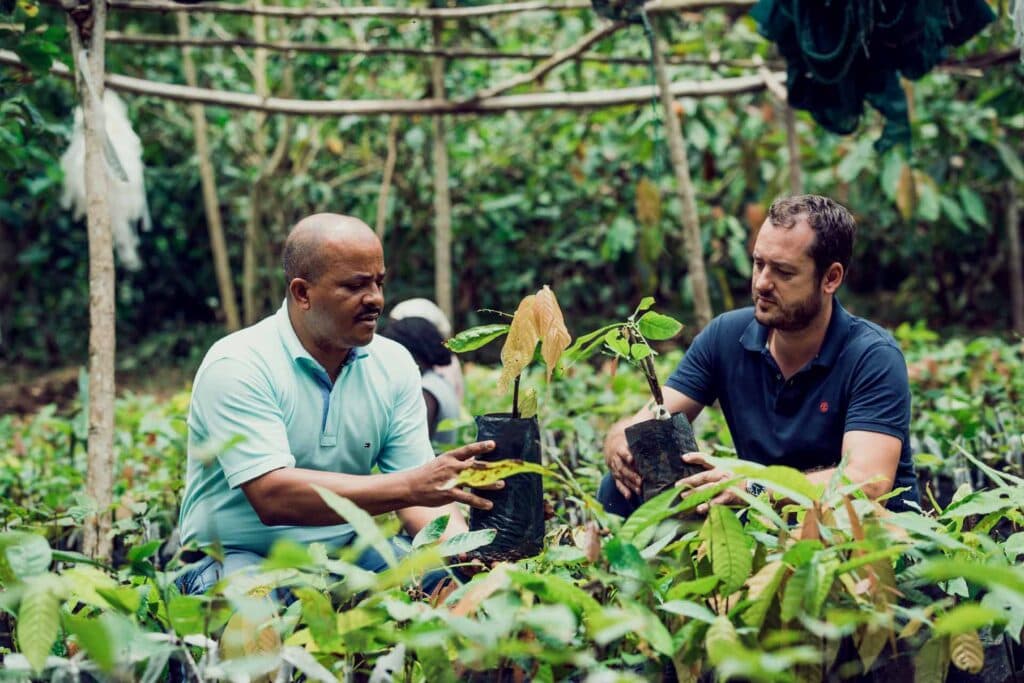
Off the coast of Gabon, on a volcanic island, Chocolats Frigoulette ensures the cocoa can be traced from the plantation to the cooperative and on to our chocolate workshop. This organic and fair-trade approach is at the heart of our commitments to providing chocolate that respects both people and the environment.
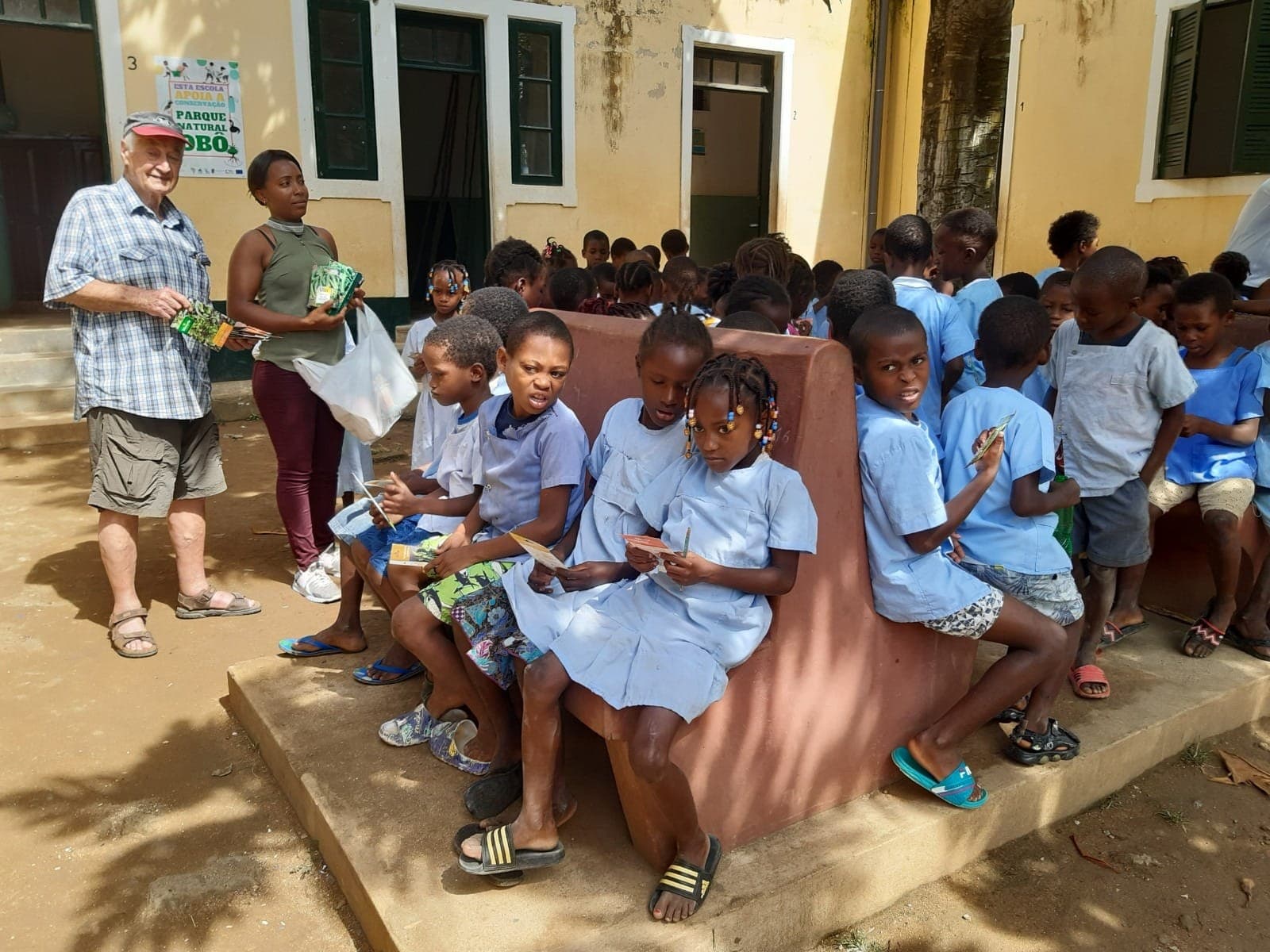
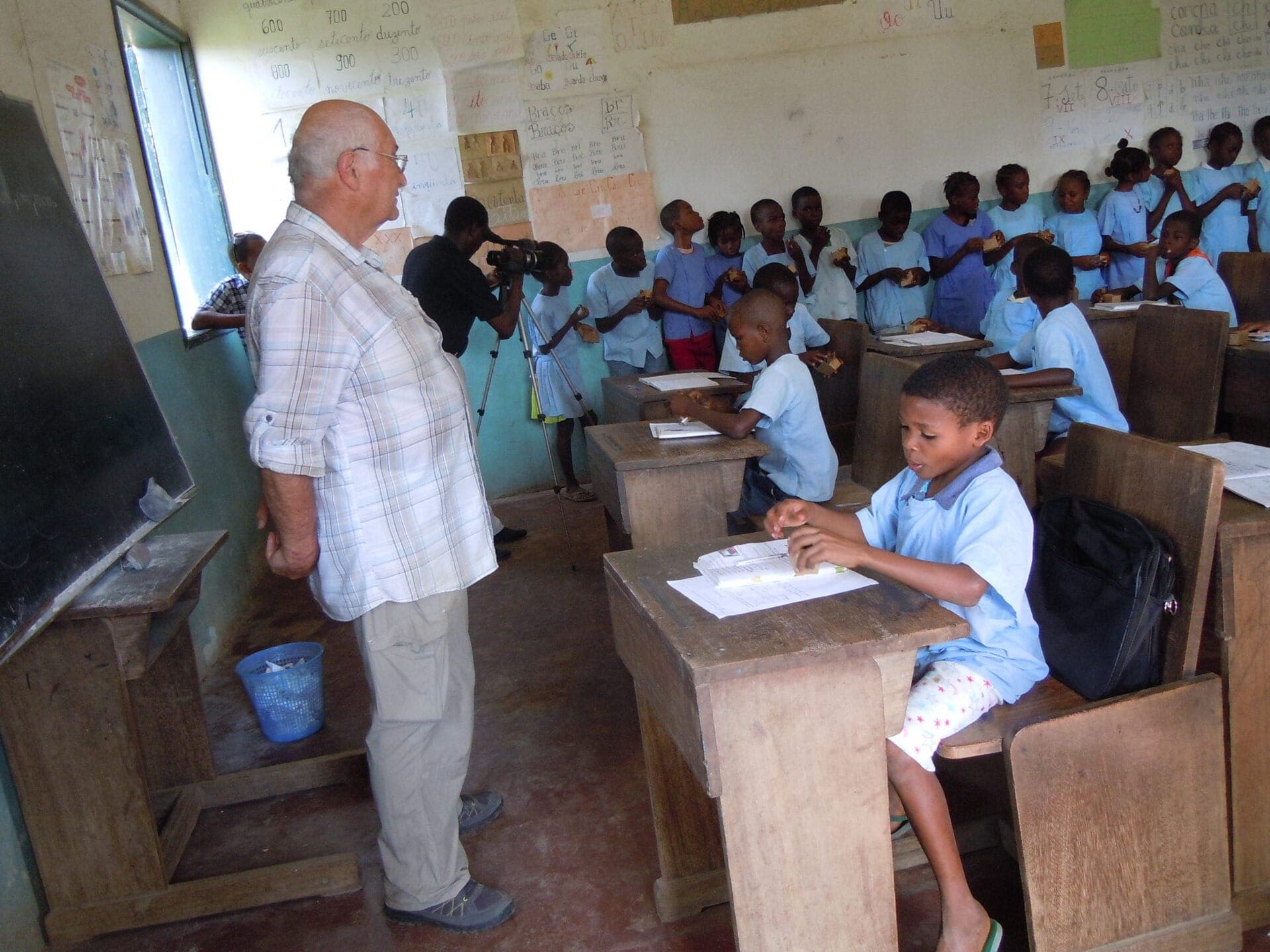
- 95% of children attend school
- producers earn a decent income
- the whole harvest is guaranteed to be bought
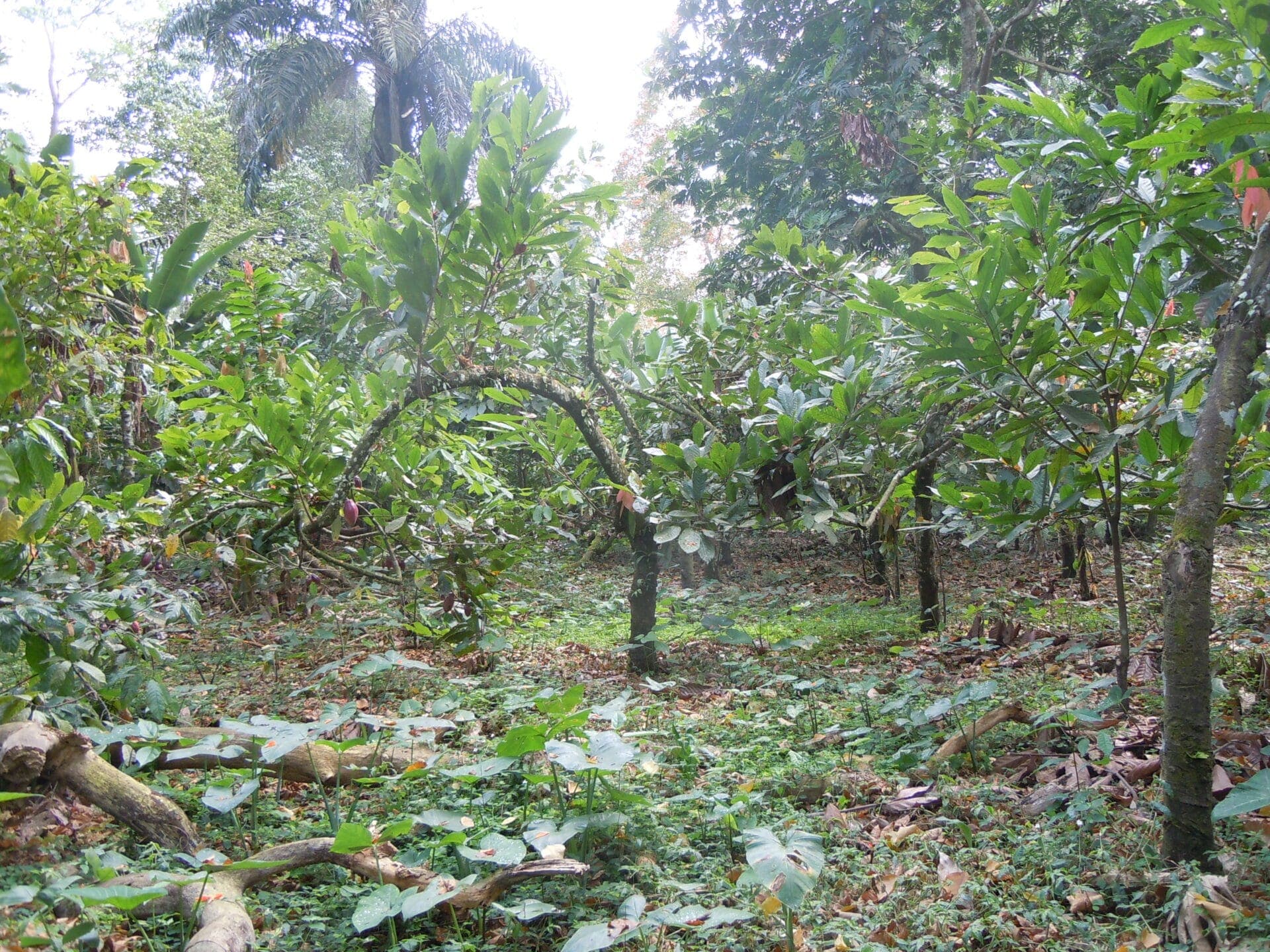
- the plantations are regularly reforested
- a chocolate factory has been built so that people can discover the chocolate bar
São Tomé chocolate
São Tomé and Príncipe, the Chocolate Island
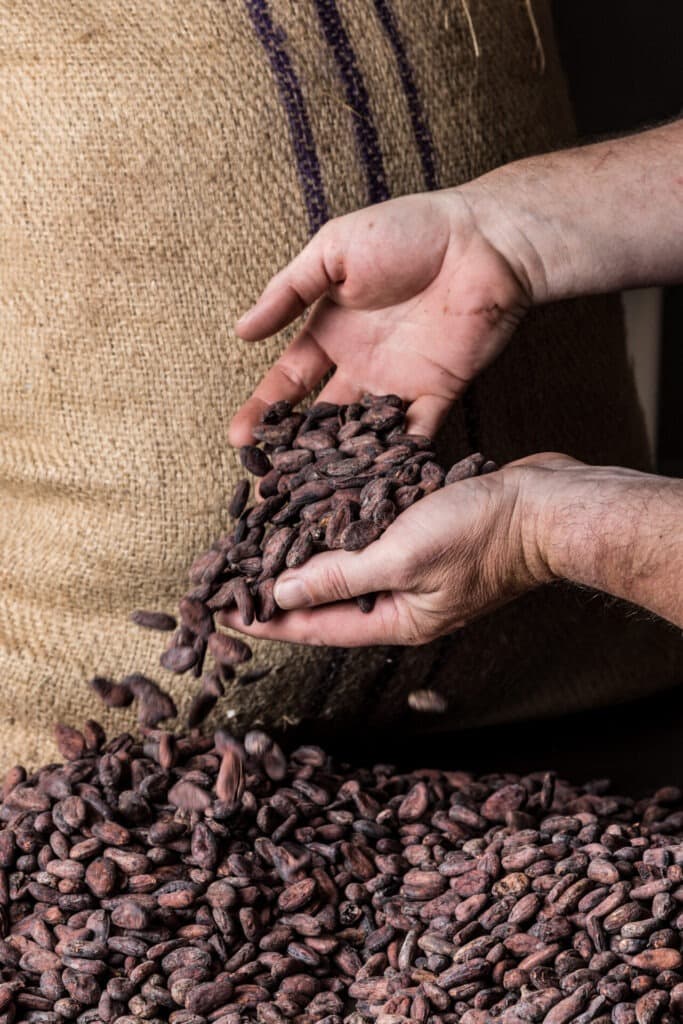
Pickers harvest around 3,500 tonnes of pods a year from the cocoa plantations. Shaped like rugby balls, the pods hold about forty beans each. No processing takes place on the island itself; that is done by the company Kaoka, based in São Tomé and Príncipe, which is Frigoulette’s exclusive supplier of organic beans. Kaoka has campaigned for organic farming for more than 35 years and is one of the founders of the organic and fair-trade movement.
Chocolats Frigoulette, committed to São Tomé
São Tomé and Príncipe, so charmingly nicknamed “the Chocolate Island”, was one of the world’s biggest cocoa producers in the 19th century. In 1822, Portuguese settlers left Brazil for São Tomé and Príncipe, bringing with them the riches of the New World and cocoa trees.
The fertile land and the island’s particularly favourable climate allowed cocoa growing to develop rapidly, reaching a peak of 36,000 tonnes in 1913.
In the middle of the 20th century, revolts broke out, followed by crackdowns, and the plantations quickly declined. The land reform of the 1990s then failed because of rural depopulation. Today the island produces only 5,000 tonnes of cocoa, so productivity is a major challenge for the future of the industry.
And Chocolats Frigoulette is proud to help secure a safer future for these producers.